VISAXUM
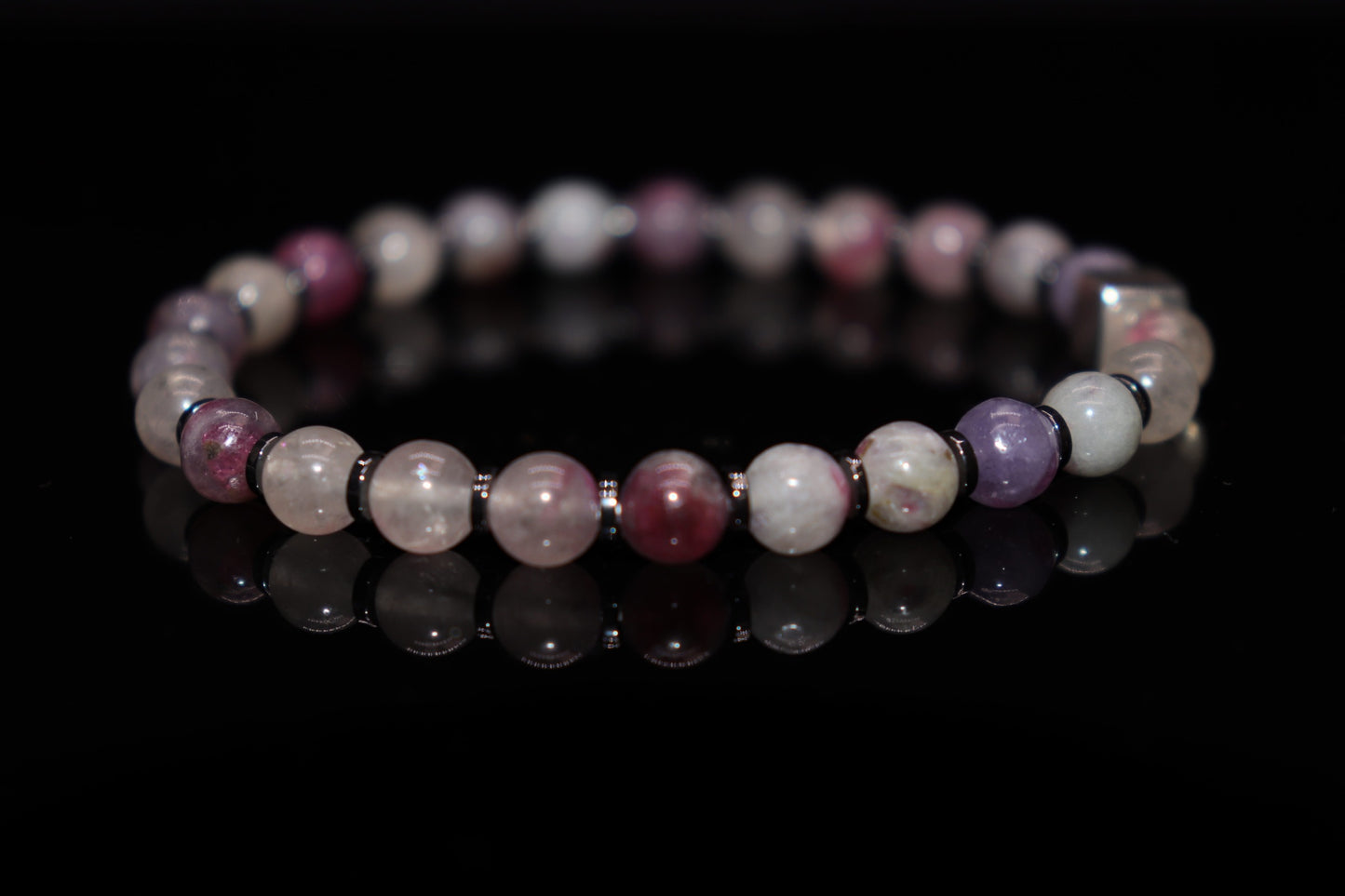
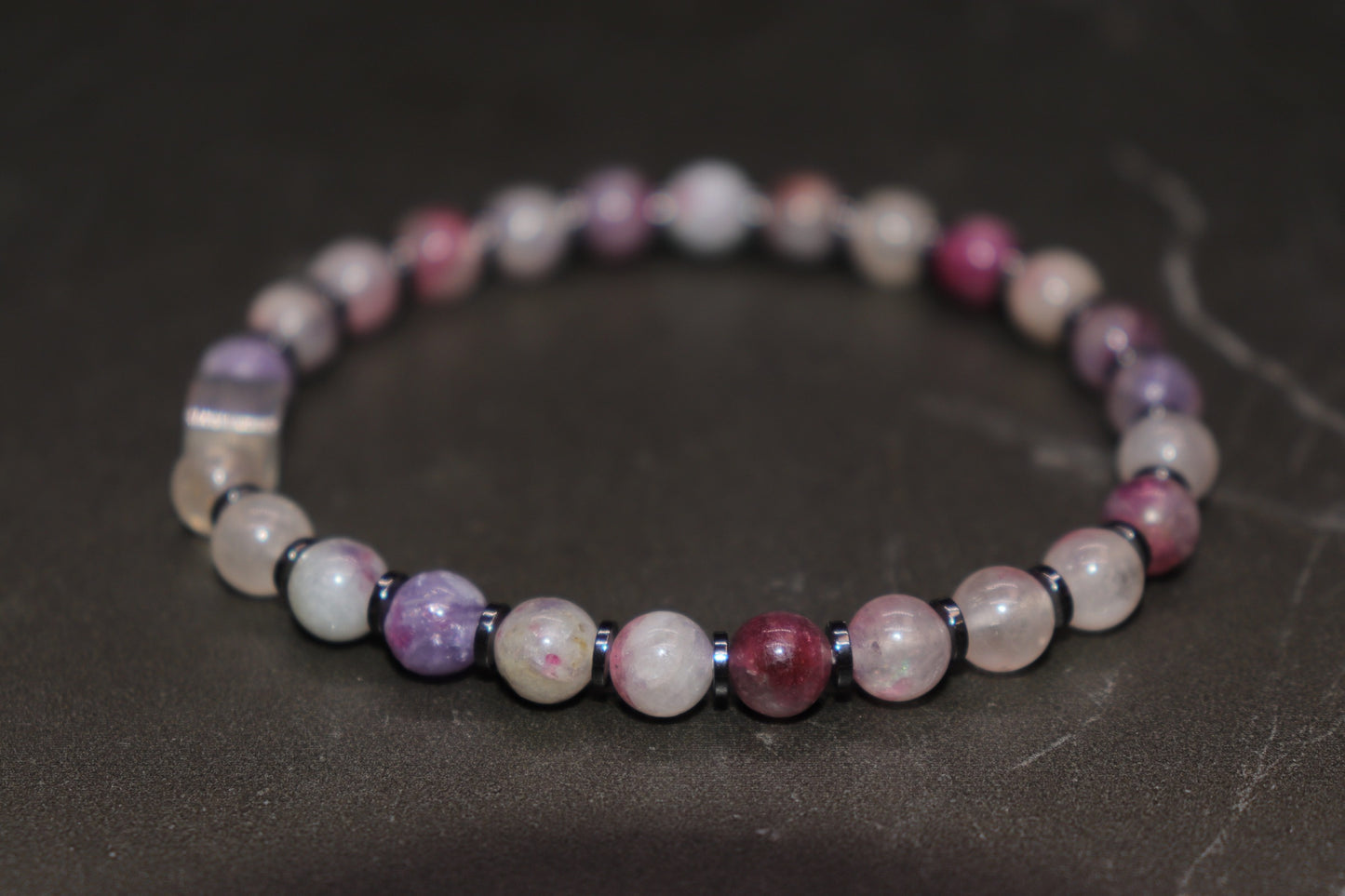
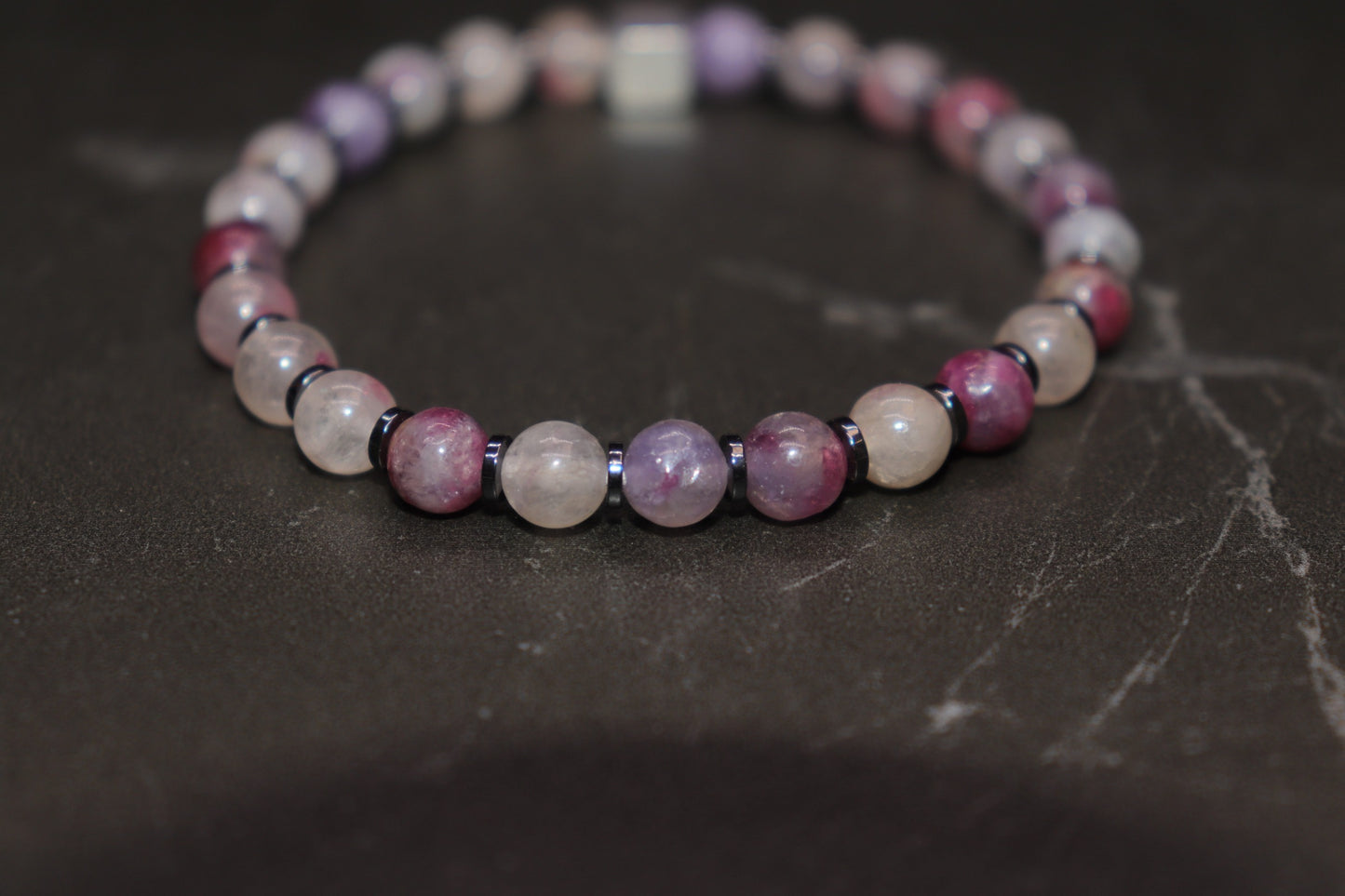
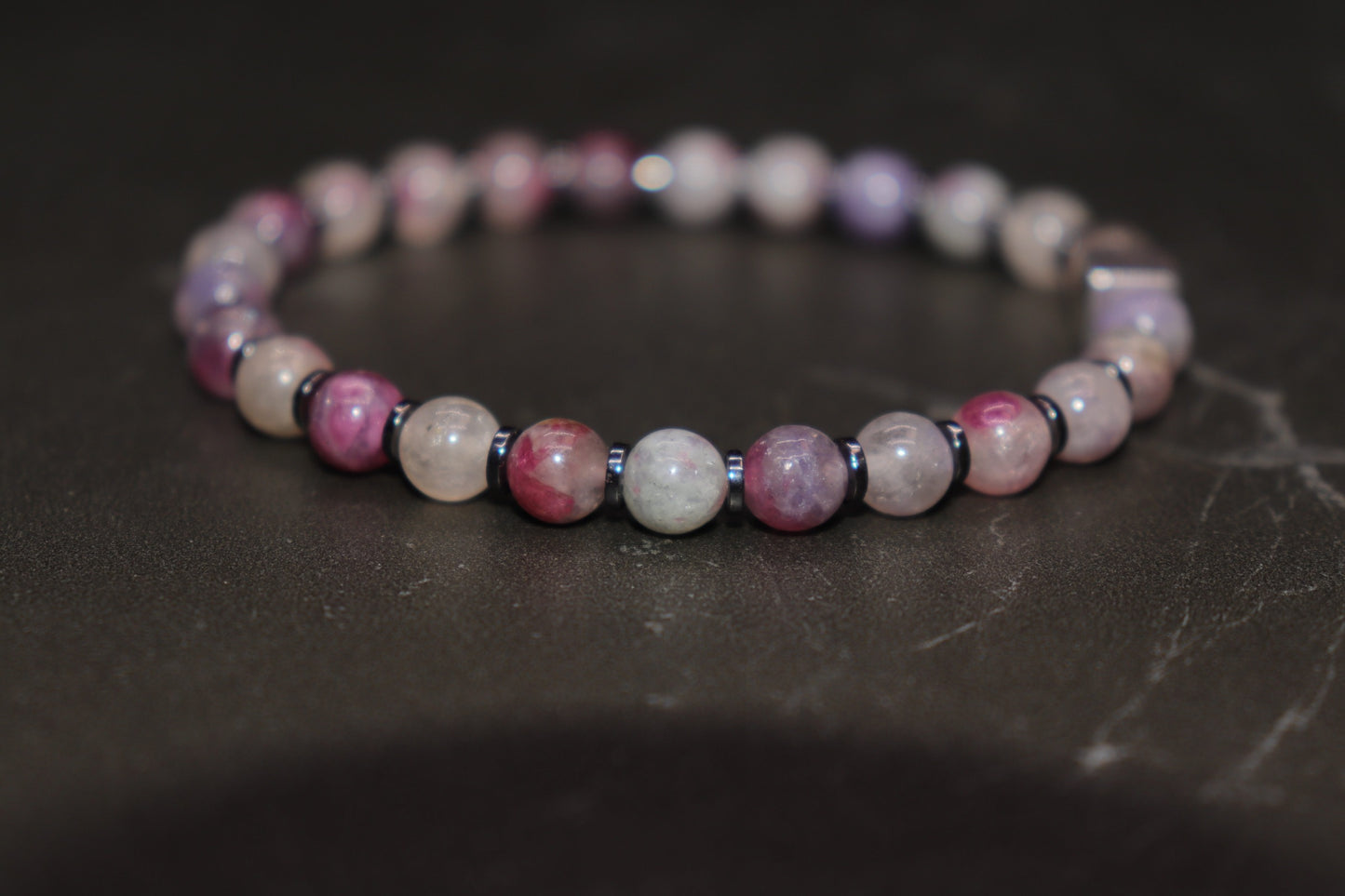
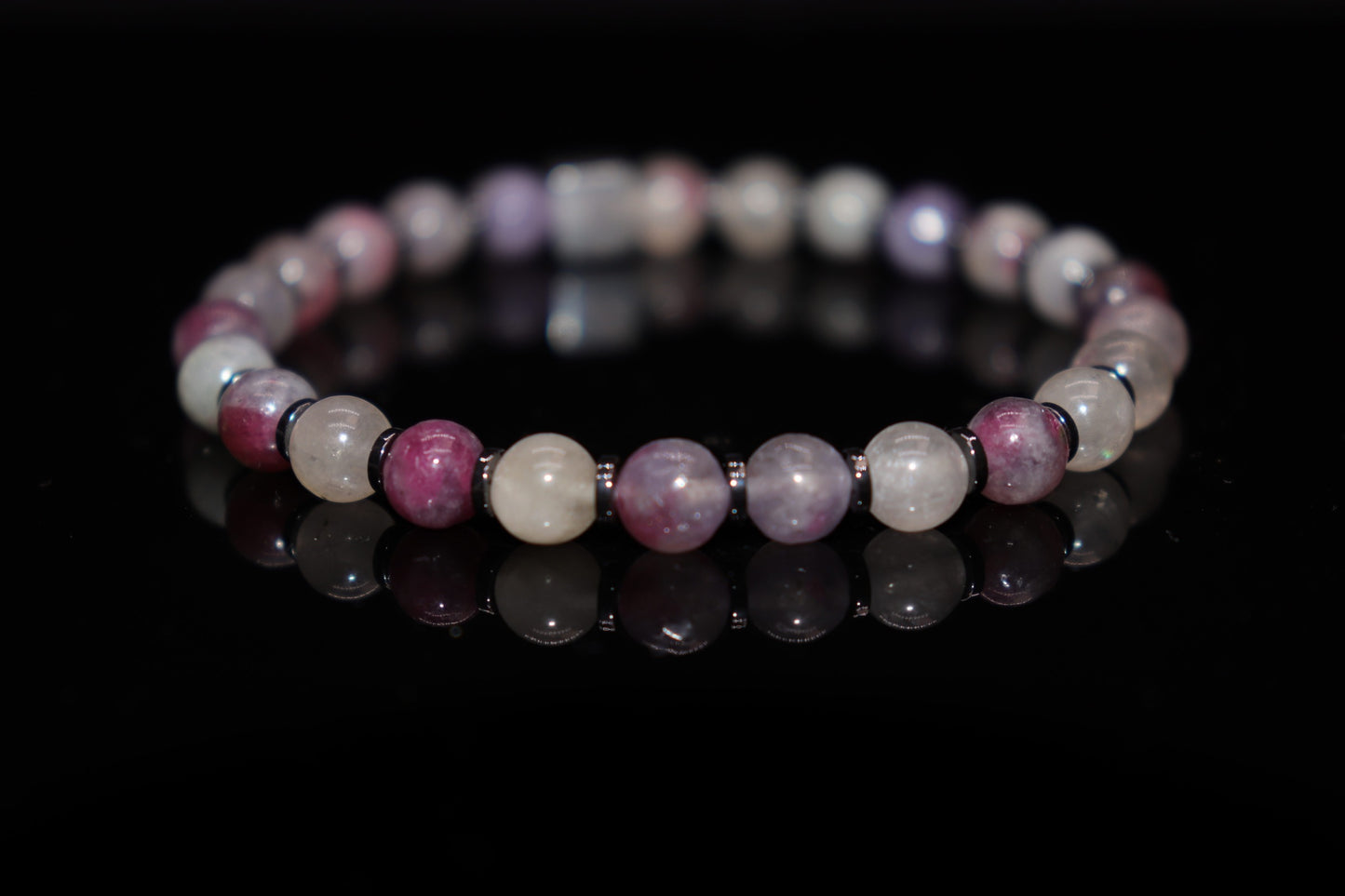
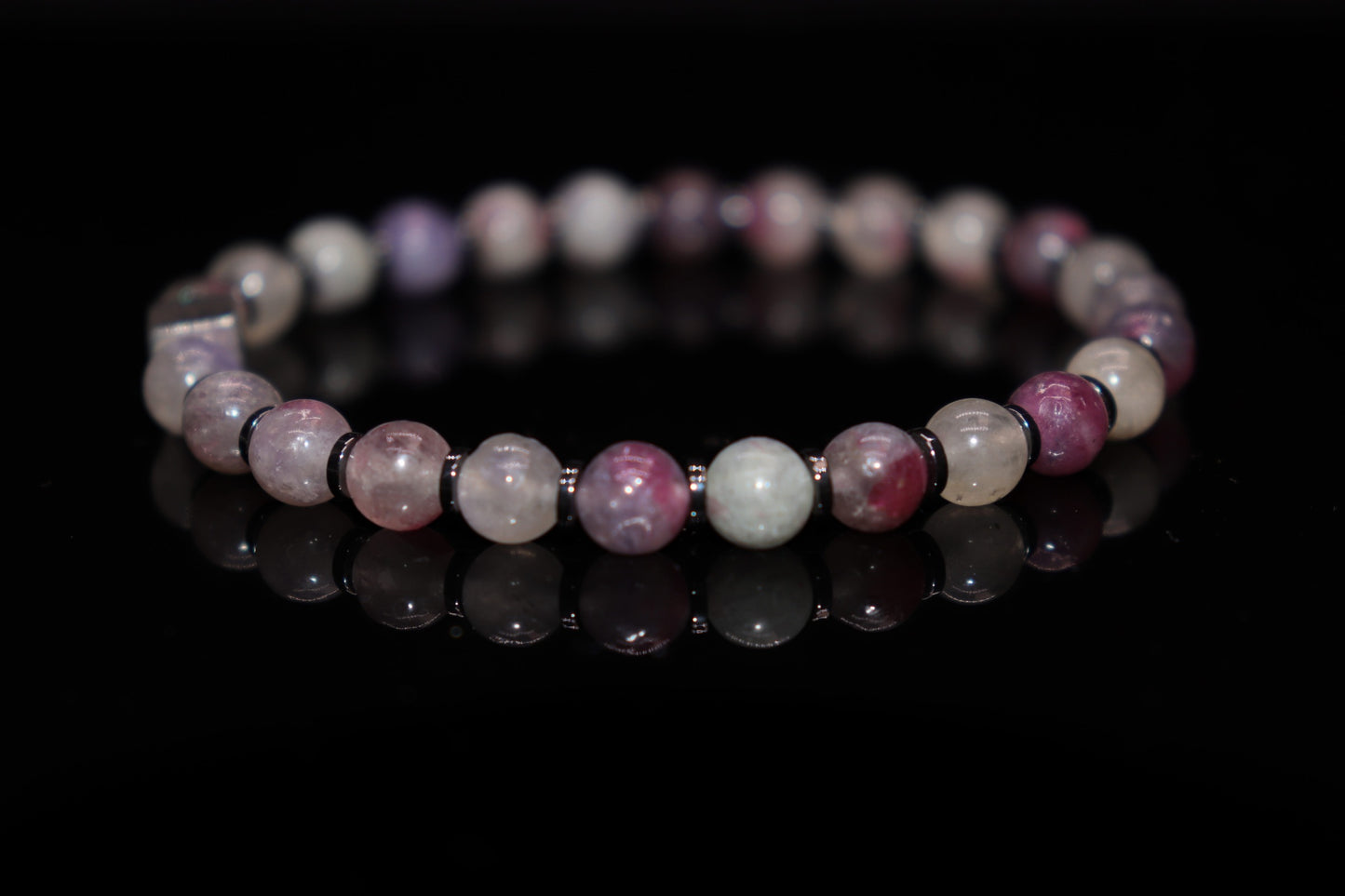
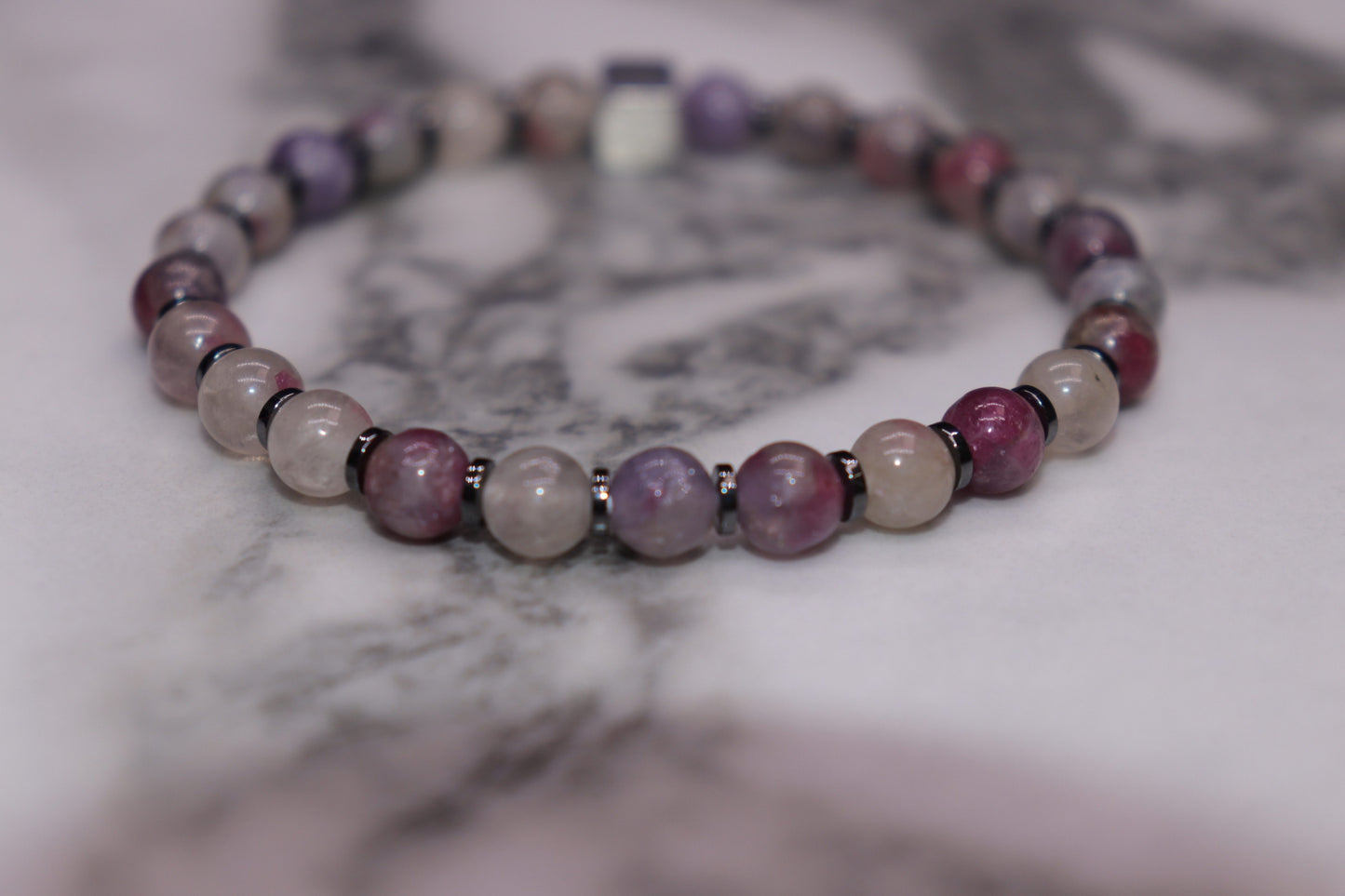
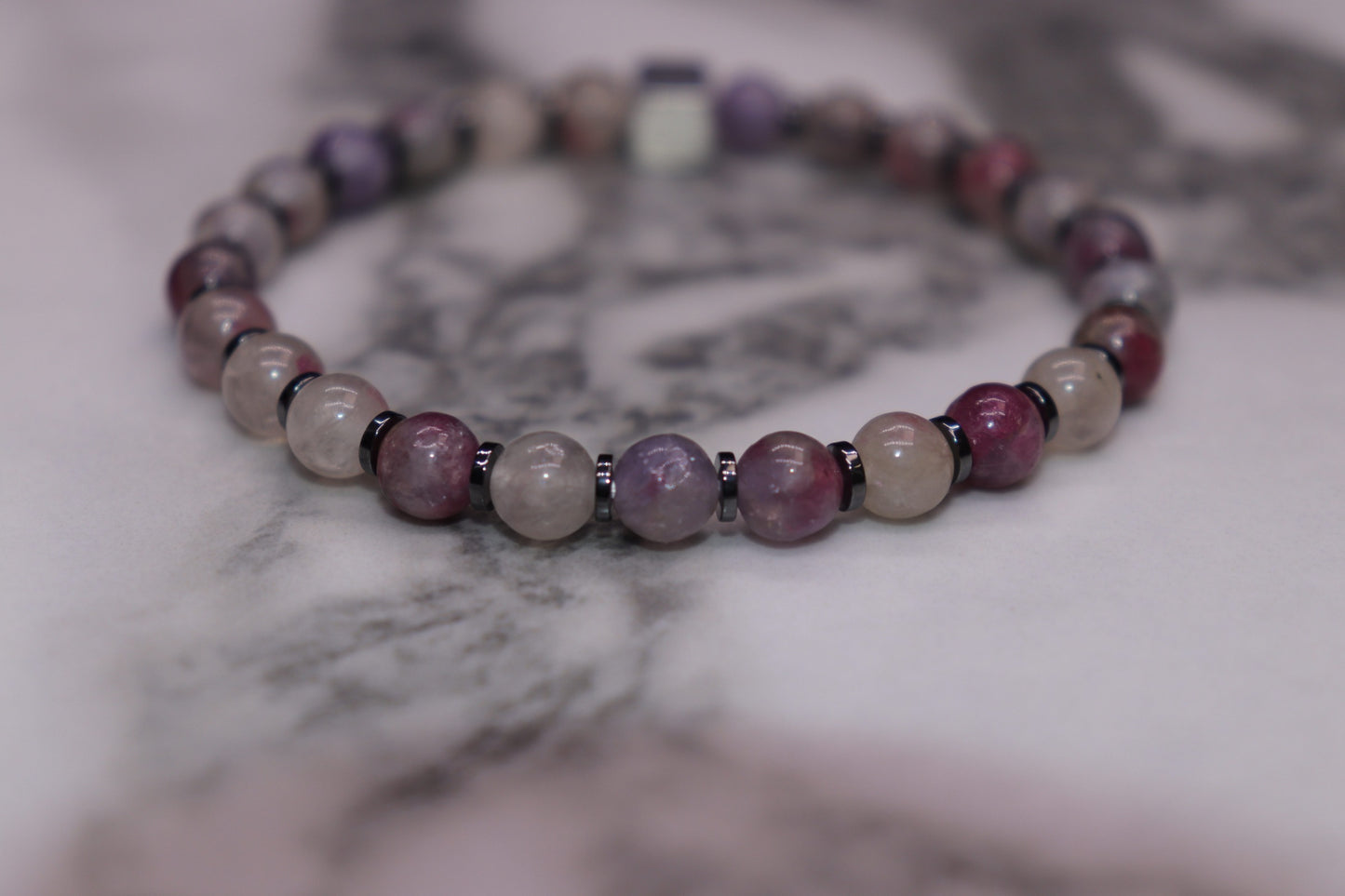
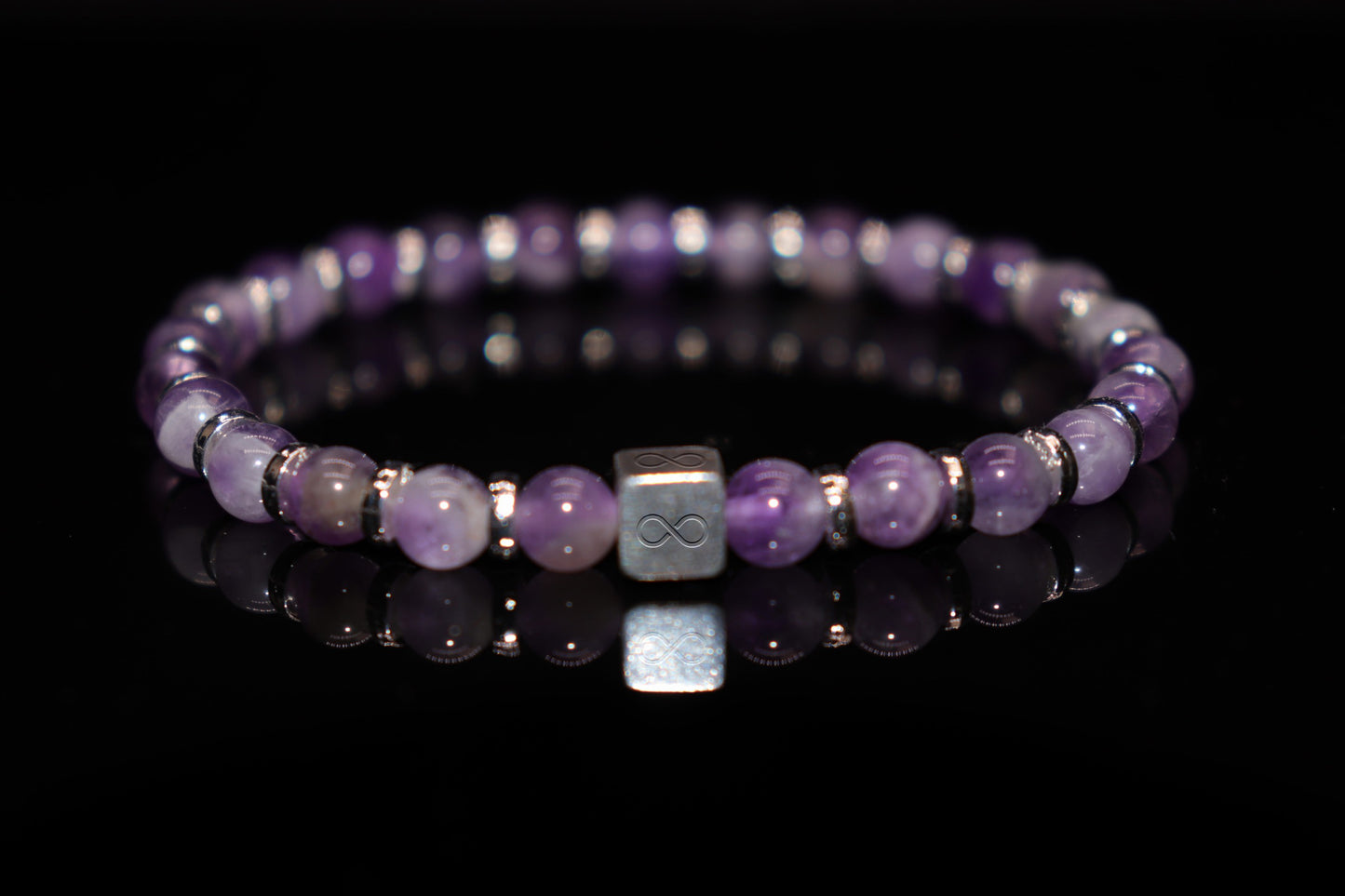
Pink Tourmaline Silver Bracelet (6mm)
Pink Tourmaline Silver Bracelet (6mm)
Couldn't load pickup availability
★ Custom - made according to your exact wrist size
★ Free shipping and returns
★ 30 - day satisfaction guarantee
★ Free resizing for new customers
Pink tourmaline beads (6 mm), paired with 925 Sterling Silver beads. Comes with a cotton pouch.
Pink tourmaline beads show a soft pink to rose body colour with a bright vitreous lustre; turned in the light, the beads shift subtly between pale pink and deeper rose as the stone's strong pleochroism plays across them. The crystals grow with fine natural lengthwise striations, and the beads may hold tiny liquid inclusions – marks of growth left by nature's own hand. The colour is as gentle as morning light through petals – clear, tender and quietly radiant at the wrist.
Stone Stories
- Named from the Sinhalese toramalli – "stone of mixed colours" – for the Sri Lankan sands where gems of every hue lie together
- The ash-puller: warmed by the sun it draws ash and straw to itself, and the Dutch of 1703 called it aschentrekker
- A Chinese empress's favourite: Cixi loved pink tourmaline above all, and California's mines rose and fell on her court's orders
- In crystal traditions it is a "heart stone": linked with the heart chakra and the flow of love
- One of October's two birthstones (added in the 1952 revision), and the gem of the eighth wedding anniversary
Sun-Warmed Rainbow
The old tale says tourmaline rose from the heart of the earth and passed through a rainbow on the way, keeping a little of every colour it met – which is why nearly all the hues of the world may be found in a single stone. Its name, toramalli in the language of Sri Lanka, means "stone of mixed colours": what the first sailors found in the sands of Ceylon were gems that refused to be one colour only. In 1703 the children of an Amsterdam lapidary played with stones newly arrived from Ceylon and found that, once warmed by the sun, they drew ash and chaff to themselves as a magnet draws iron – and the West first learned that fire could live inside a stone. Pink tourmaline is the gentlest leaf of that rainbow. The Chinese call it bixi, a name that echoes "warding off evil"; the Dowager Empress Cixi had it carved into lotuses and ornaments, and the mines of California rose and fell with the orders of her court. Wear it, and carry the softest colour of the rainbow, warm at the wrist – a pink that crossed a whole rainbow to reach you.
Cultural Allusions
- Tourmaline comes from the Sinhalese toramalli, "stone of mixed colours," carried into European tongues by Dutch East India Company traders in the early 18th century. The widely told tale of the "Egyptian rainbow" – that tourmaline absorbed every colour while passing through a rainbow on its way up from the earth's core – has not been found in any verified ancient Egyptian source and is most likely an invention of 19th–20th century gem literature; in spirit, though, it echoes the old Sinhalese name for the mixed-colour stones of the island's sands.
- In 1703 a batch of gems from Ceylon reached a lapidary in Holland; playing children found that stones warmed by the sun drew ash and chaff to themselves "as a magnet draws iron filings." The Dutch called them aschentrekker – "the ash-puller" – also "Ceylon magnet"; Linnaeus named the mineral lapis electricus, "the electric stone." Pyroelectricity had been discovered – a real property long taken for magic.
- Europe was slow to know tourmaline – yet archaeology shows it was worn two thousand years ago: a carved ring stone of Alexander the Great's era (3rd–2nd century BC) is bicoloured purple-yellow tourmaline. Later Europeans mistook it for grander gems: Spanish explorers in 1554 took Brazilian green tourmaline for emerald ("Brazilian emerald"); in 1777 a "ruby" that Gustav III of Sweden gave Catherine the Great proved to be red tourmaline carved in China; the great "ruby" of the Crown of St. Wenceslas (1346–1348) in Prague has also been identified as tourmaline. Only 19th-century mineralogy established the family in its own right.
- The Dowager Empress Cixi (1835–1908) was among history's greatest collectors of pink tourmaline – GIA records her especial love of pink and red stones, while California's San Diego mines shipped much of their pink tourmaline to China, carved by Chinese artisans into snuff bottles and jewelry. According to the Aiyuexuan Notes (recording Li Lianying's account of her burial goods), she was laid to rest with a tourmaline lotus weighing some 36.8 taels – valued at 750,000 taels of silver – a lotus beneath the feet meaning "lotus steps at every stride"; and the famous "jadeite watermelons" of her tomb are argued by scholars to be watermelon tourmaline (green rind, pink heart), not jadeite at all. From 1902 to 1908 the court bought tourmaline by the ton from California – reportedly some 120 tonnes in total by 1911 (a media figure) – much of it examined by Tiffany & Co. The trade collapsed when the Qing court fell in 1912.
- In 1820 two schoolboys found bright green crystals at Mount Mica, Maine – the beginning of American gem mining. George Frederick Kunz, the self-taught gemologist, carried Maine tourmaline into Tiffany & Co. around 1875–79 and made tourmaline "the American gem" – he even opposed adding it to the October birthstone list for its lack of ancient lore (it was finally added in 1952). And in 1989 Heitor Dimas Barbosa – the "father of Paraíba tourmaline" – dug alone in an abandoned mine for five and a half years before breaking into the electric blue-green "colour people had only dreamed of": stones over one carat are extremely rare, and top AAA material can pass US$10,000 per carat.
Did You Know?
- The pink in pink tourmaline comes from traces of manganese – electron transitions of Mn²⁺/Mn³⁺ and charge transfer between the two.
- Watermelon tourmaline is one single crystal, green outside and pink within – a cross-section looks exactly like a slice of watermelon; the "jadeite watermelons" of Cixi's tomb are believed to be exactly this.
- Pale or colourless tourmaline is often irradiated to deepen pink and red – and irradiation-made colour may fade in heat or strong light (GIA).
- The Palace Museum in Beijing holds many Qing-dynasty tourmaline treasures – among them a "peach-pink tourmaline gourd pendant" (桃红碧玺瓜式佩) and a "tourmaline bead and jade bracelet" (碧玺珠翠手串) from the imperial collection.
- Cartier's Art Deco brooch with a baroque pear-shaped pink tourmaline (c. 1914–1935, from the Mica Ertegun collection) graced the cover of "Cartier, Jewelers Extraordinary" and was shown at the V&A's "Art Deco 1910–1939" exhibition.
Care
- Clean with warm water, a little mild soap and a soft brush; rinse and pat dry with a soft cloth – no rubbing.
- Avoid heat and sudden temperature changes: heat can alter colour – irradiation-coloured pink stones may fade in heat or strong light – so keep the bracelet away from stoves, radiators, saunas and long direct sun.
- Keep it from chemicals: bleach, acetone, hairspray, perfume and chlorinated water can damage the stone and its setting.
- Ultrasonic and steam cleaning are usually safe, but not for stones with fracture fillings; store it separately in a soft pouch, away from harder gems – and keep the silver bead in an airtight anti-tarnish bag.
Wear your story.